
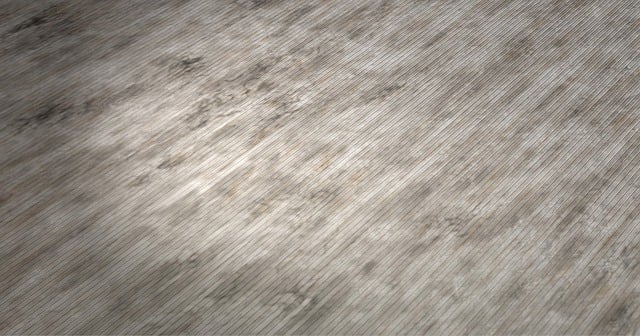
Vinyl flooring Denver is durable but prone to cracks from wear, environmental factors, installation errors, and subfloor issues. Prevention includes acclimatization, padding heavy objects, and avoiding temperature extremes. DIY kits fix minor cracks, while larger damage requires professional services. Regular inspections and prompt repair prevent extensive damage. Specialized adhesives, tools, and eco-friendly brands aid repairs. Understanding plank vs. sheet flooring guides repair methods. Effective patching and replacement extend lifespan, competing with tile alternatives. Key steps: identify causes, clean/seal regularly, distribute weight evenly, stay updated on vinyl technologies for crack-free floors.
Vinyl flooring is a popular choice for homes and businesses across Denver and beyond, known for its durability and low maintenance. However, over time, even the sturdiest vinyl can develop cracks, from normal wear and tear or sudden impacts. Repairing these cracks isn’t just about aesthetics; it prevents water damage and ensures your floor’s longevity. This article provides a comprehensive guide on effectively repairing cracks in vinyl flooring, offering practical tips tailored to the unique needs of Denver’s resilient floors. By following these steps, you’ll restore your vinyl flooring to its former condition, ensuring a durable and attractive surface for years to come.
- Understanding Vinyl Flooring Cracks: Causes and Prevention in Denver
- Evaluating Damage: Assessing Your Vinyl Floor Cracks
- Materials and Tools for Effective Repair in Denver's Homes
- Step-by-Step Guide: Patching and Restoring Your Vinyl Flooring
- Longevity Tips: Maintaining a Crack-Free Vinyl Floor in Denver
Understanding Vinyl Flooring Cracks: Causes and Prevention in Denver

Vinyl flooring is a popular choice among Denver residents for its durability, low maintenance, and aesthetic appeal. However, over time, even the sturdiest vinyl floors can develop cracks. Understanding the causes of these cracks is the first step in effective prevention and repair. Common factors include normal wear and tear, environmental changes like temperature fluctuations, and improper installation or underlying subfloor issues. For instance, sudden thermal expansion or contraction due to Denver’s varying weather conditions can stress the flooring, leading to cracks.
In addition to regular maintenance, such as sealing joints and edges, several proactive measures can prevent vinyl floor cracks in Denver homes: ensuring proper acclimatization during installation by allowing new floors to settle for 24-48 hours before walking on them; using padding under heavy furniture or appliances to reduce pressure points; and avoiding extreme temperature changes near the flooring. For homeowners looking for DIY solutions, a comprehensive DIY vinyl tile installation guide is readily available, offering step-by-step instructions tailored to Denver’s unique conditions.
When cracks do appear, prompt action is crucial. Small cracks can often be repaired using high-quality vinyl floor repair kits, which involve filling the crack with a matching compound and smoothing it out. For larger or more complex damage, professional vinyl flooring services in Denver become invaluable. Expert technicians utilize specialized tools and materials to thoroughly assess and fix the issue, ensuring long-lasting results. Regular inspections by professionals can also help identify potential problems early on, making repairs less invasive and costly.
Evaluating Damage: Assessing Your Vinyl Floor Cracks

When evaluating damage to your vinyl flooring in Denver, a thorough assessment is crucial before deciding on repairs. Vinyl flooring, whether installed indoors or as outdoor carpet in Denver, is susceptible to cracks due to various factors such as environmental changes, foot traffic, and age. These cracks can range from shallow hairline fractures to deep, wide splits, each requiring a distinct approach for repair.
For minor cracks, less than 1/4-inch wide, simply cleaning the area with a mild detergent and using an epoxy or polyurethane filler designed for vinyl flooring is often sufficient. This method provides a quick fix and can restore the floor’s appearance. However, for wider or deeper cracks, professional intervention may be necessary. In such cases, assessing the extent of the damage involves examining the underlying subfloor and considering factors like structural integrity and potential moisture intrusion—issues that are particularly relevant when comparing vinyl flooring to alternative options like hardwood flooring Denver residents often consider.
In instances where the crack extends into the subfloor or indicates moisture damage, replacing the damaged section might be the best course of action. This involves removing the affected vinyl flooring, repairing or replacing the subfloor, and then installing new vinyl flooring or considering alternatives like Outdoor Carpet Denver offers for outdoor spaces. For example, data from local flooring contractors in Denver shows that prompt repair of even seemingly minor cracks can prevent more extensive damage and costly replacements down the line, emphasizing the importance of early intervention.
Materials and Tools for Effective Repair in Denver's Homes
When it comes to repairing cracks in vinyl flooring Denver homes, having the right materials and tools is paramount for achieving a durable, aesthetically pleasing result. For this versatile material, specialized adhesives and repair kits designed specifically for vinyl are key. These products ensure strong bonding with minimal disruption to the surrounding floor. In addition to traditional vinyl plank and sheet flooring, contemporary trends like eco-friendly vinyl flooring brands Denver have gained popularity, offering not only longevity but also a reduced environmental impact.
Among the tools essential for effective repair is a high-quality utility knife for meticulously cutting the repair material to fit the crack. A fine-toothed saw or a specialized vinyl cutter can be employed for more precise cuts, especially when dealing with intricate designs or small gaps. For larger areas, a heat gun might be needed to soften and lift the damaged section, allowing for easier removal and replacement. When selecting vinyl flooring materials, Denver residents often consider trendy floor designs that complement their spaces. From realistic wood grain patterns to abstract geometric shapes, the variety in vinyl floor designs ensures there’s an option to suit every taste.
Furthermore, understanding the distinction between vinyl plank and sheet flooring is crucial for choosing the right repair approach. Plank flooring, known for its interlocking joints, may require specialized adhesive and sealant to prevent water damage and maintain its integrity. In contrast, sheet vinyl, often laid over a smooth subfloor, can be repaired by simply cutting out the damaged area and replacing it with a new piece, ensuring seamless integration with the existing floor. By utilizing these materials and tools effectively, Denver homeowners can extend the life of their vinyl flooring while keeping up with the latest eco-friendly and trendy options available in the market.
Step-by-Step Guide: Patching and Restoring Your Vinyl Flooring

Repairing and restoring vinyl flooring is a practical skill every homeowner in Denver should possess. Vinyl flooring, popular for its durability and low maintenance, can develop cracks over time due to normal wear and tear or sudden changes in temperature. While some cracks may be purely cosmetic, others could indicate structural damage, especially if they widen or spread. Before considering replacement, which might involve expensive Tile Flooring Denver options, take a closer look at your flooring. This step-by-step guide will teach you how to patch and restore your vinyl flooring, saving you time and money.
The first step is identifying the type of crack. For shallow cracks or chips, especially those less than 1/4-inch wide, patching is an effective solution. When dealing with larger cracks, it might be necessary to replace the damaged section entirely. Inspect your floor for signs of widespread damage or loose seams, as these could indicate a more serious issue that requires professional attention. If you’re unsure about the extent of the damage, consult a flooring expert in Denver for advice on when to replace vinyl flooring.
Next, gather your materials and tools: patch compound, sandpaper (fine-grit), putty knife, cleaning solution, cloth, and a new piece of vinyl flooring if replacing a section is necessary. For patching, apply the patch compound to the crack using the putty knife, ensuring it fills the gap completely. Allow it to dry according to the manufacturer’s instructions. After drying, lightly sand the area to smoothen any rough edges left by the compound. Clean the floor thoroughly and let it dry again before laying a new piece of vinyl if required. This process ensures your floor not only looks restored but also retains its durability, competing with the longevity of Tile Flooring Denver alternatives.
Longevity Tips: Maintaining a Crack-Free Vinyl Floor in Denver
Cracks in vinyl flooring can range from minor aesthetic issues to structural problems, especially in areas with high foot traffic like Denver. To maintain a crack-free LVT flooring in Denver, regular care and maintenance are essential. One of the key steps is understanding the cause behind the cracks, whether it’s due to aging, environmental factors, or improper installation. For instance, extreme temperature changes can cause vinyl to shrink or expand, leading to cracks over time.
Regular cleaning and sealing are crucial for longevity. Use mild detergent and warm water to avoid damaging the surface. After cleaning, apply a high-quality sealant specifically designed for vinyl flooring Denver to protect against moisture and dirt. This step is particularly important in areas prone to spills or high humidity. Additionally, consider using carpet pads beneath heavy furniture to distribute weight evenly and reduce the risk of cracks forming.
Staying informed about the latest vinyl flooring patterns and trends can also benefit your investment. Newer LVT flooring options are more durable and flexible, offering better resistance to cracks and tears. For example, digital printing technology has revolutionized vinyl flooring by creating photorealistic designs that enhance the aesthetic appeal without compromising durability. By combining these practical insights with expert recommendations, you can ensure your vinyl flooring Denver remains crack-free for years to come, enhancing both its appearance and functionality.
By understanding the causes and prevention of vinyl flooring cracks in Denver’s unique environment, homeowners can significantly extend their floor’s lifespan. Evaluating damage is a crucial first step, guiding selection of the right materials and tools for effective repair. The step-by-step guide offers practical solutions for patching and restoring, ensuring a seamless finish. Moreover, longevity tips emphasize proper maintenance to prevent future cracks, creating a durable, crack-free vinyl floor in Denver’s challenging conditions. This comprehensive approach, backed by expert insights, empowers homeowners to tackle vinyl flooring repairs with confidence and achieve professional results.